What is Fourier Transform Infrared Spectrometer and How Does It Work?
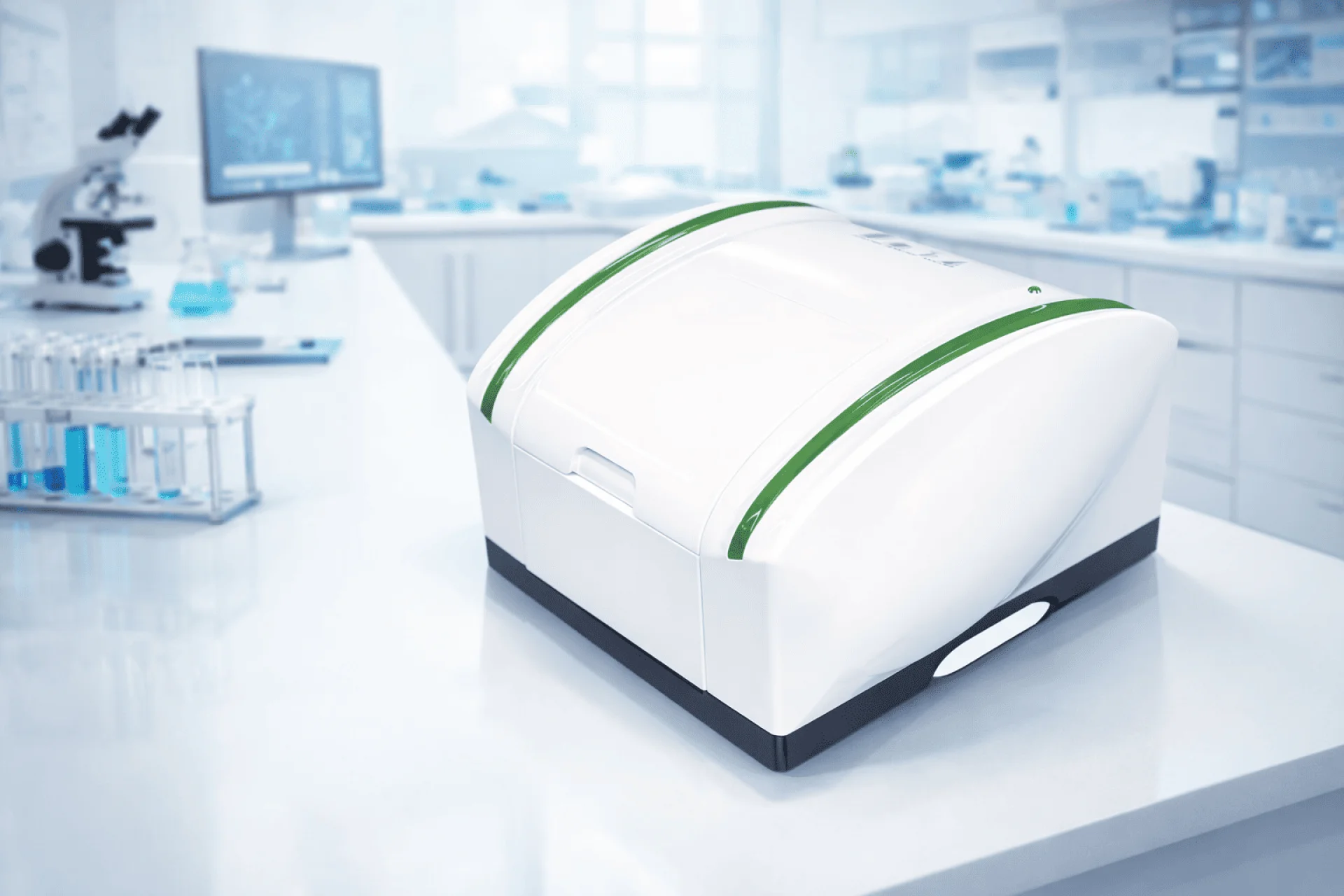
In the scientific and industrial fields, the use of advanced chemical analytical instruments is essential, such as in the polymer and plastics industry, pharmaceuticals, food and agriculture, as well as for scientific work. One analytical instrument that plays a significant role is the Fourier Transform Infrared Spectrometer.
We at Hong Kong NTI will explain about FTIR, including its working principles, light sources, industrial applications, and provide guidance on sample preparation for FTIR analysis.
What is Fourier Transform Infrared Spectrometer and How Does It Work?
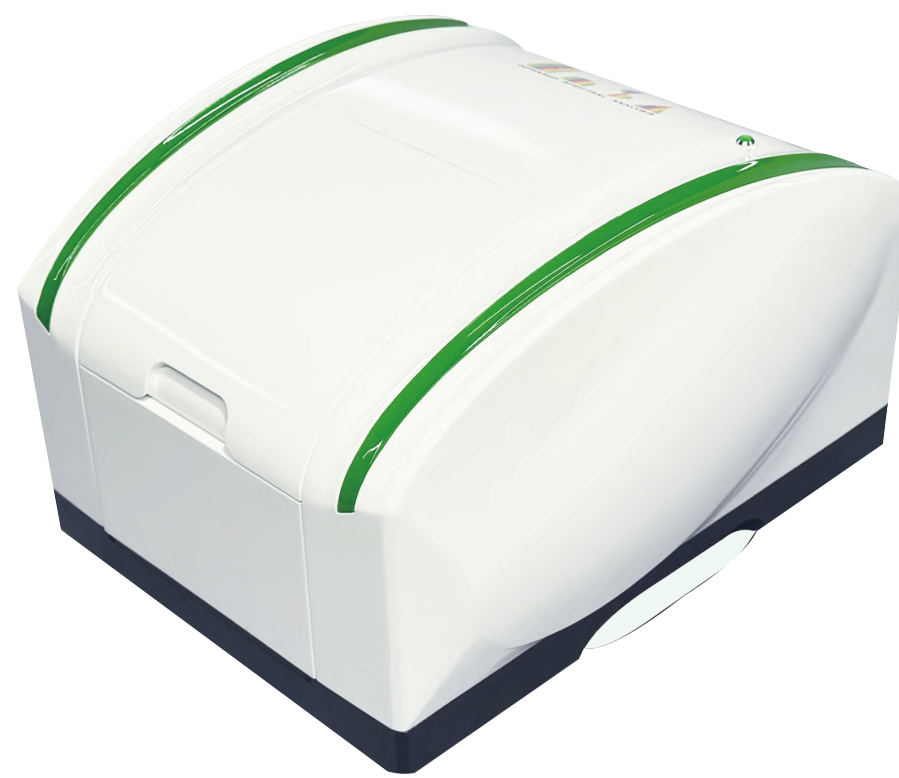
Fourier Transform Infrared Spectrometer (FTIR) is a technique used to analyze the interaction between molecules and infrared light. It is an advanced analytical instrument that uses infrared light waves to identify chemical types and molecular structures. It plays an important role in the scientific and industrial fields.
The basic working principle is that molecules of various substances have chemical bond vibrations at specific frequencies. When receiving infrared light with energy matching the vibration, molecules will absorb the light, producing a graph called a spectrum, which is like a molecular fingerprint. This allows us to identify what the substance is or what functional groups it contains.
What is the Light Source in FTIR?
Generally, the most commonly used light source is in the mid-infrared range (Mid-Infrared), using Silicon Carbide rods that provide high heat and stability as the light source for most Fourier Transform Infrared Spectrometers. Sometimes near-infrared and far-infrared light may be used, depending on the required infrared frequency range.
Advantages of Using FTIR Instruments
- Can collect all spectrum data within a short time or just a few seconds
- Provides very high wavenumber accuracy because it uses a laser as an internal standard
- Offers high sensitivity, which is many times more sensitive than traditional IR instruments
What Industries Use Fourier Transform Infrared Spectrometers?
The Fourier Transform Infrared Spectrometer is a versatile instrument for industries that use or relate to chemistry and materials, such as:
| Industry |
Main Applications |
| Polymers and Plastics | Identify plastic types, check blending quality, analyze workpiece defects (Defect analysis) |
| Pharmaceuticals | Check drug purity (QC), verify raw material identity before production, detect contamination |
| Food and Agriculture | Analyze fat, protein, and moisture content, detect food adulteration |
| Environment | Measure air pollution, analyze oil contamination in wastewater |
| Forensic Science | Examine evidence from crime scenes such as fabric fibers, car paint fragments, drugs, or explosives |
| Petroleum | Analyze fuel quality, check condition of used lubricating oil (Oil Condition Monitoring) |
Sample Preparation for FTIR Analysis
Currently, sample preparation is easier and faster than traditional techniques that require very thin samples. Modern techniques called Attenuated Total Reflectance (ATR) can prepare samples easily and quickly. Simply place the sample on the measuring pad and press firmly for immediate analysis without grinding or mixing with other chemicals. No need for light transmissioninstead, light reflects back at the contact surface between the sample and crystal.
Fourier Transform Infrared Spectrometer (FTIR) is a very important instrument for work requiring chemical science and various industries, whether polymers, plastics, pharmaceuticals, food, agriculture, environment, petroleum, including forensic science. In the future, trends and FTIR technology will play an increasingly important role in inspection and analysis, including the use of AI and Machine Learning to interpret complex spectra more quickly, reducing analysis time and potentially working with microscopes for high-resolution analysis.
If interested, you can contact us at 725 S-Metro Building, 20th Floor, Sukhumvit Road, Khlong Tan Nuea, Watthana, BangkokPhone: 02-821-5278
Email: info@hknti.com
Line: https://line.me/R/ti/p/@816txpya