SEM Training Courses Metrology Measurement
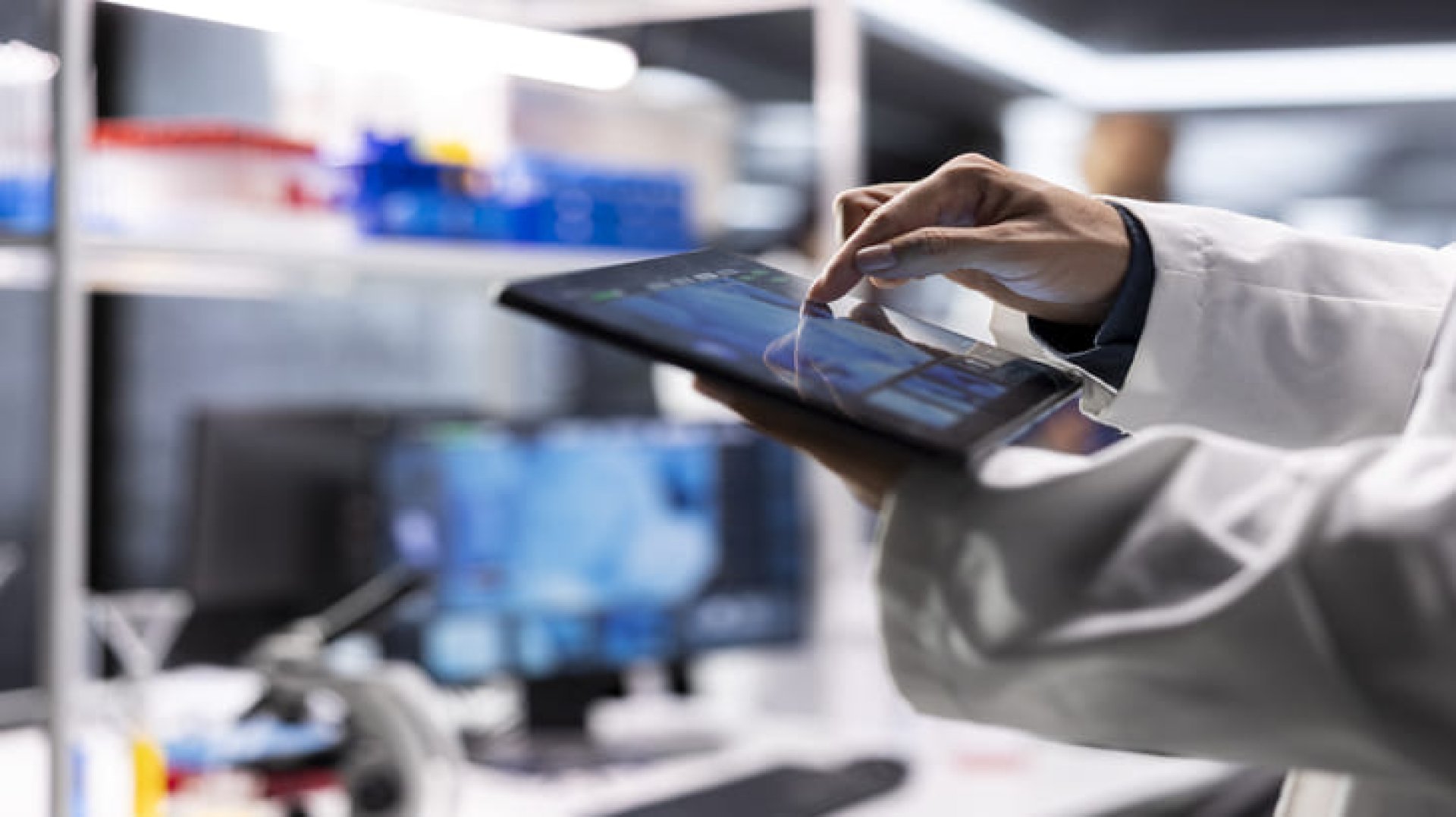
The SEM Training Courses Metrology Measurement is a curriculum designed to develop skills in effectively using Scanning Electron Microscopes (SEM), including the interpretation of Metrology Measurement results from SEM. It focuses on understanding how SEM works, hands-on practice, sample preparation, measurement condition setup, system calibration, SEM image interpretation, and dimensional measurement or surface analysis — applying Metrology Measurement beyond just visual imaging.
As nanotechnology advances rapidly, accurate measurement and precision inspection are critically important in advanced manufacturing processes. Hong Kong NTI introduces what this SEM Training Courses Metrology Measurement curriculum is, why it matters, how it is applied, who it is suitable for, and what participants will gain.
What is Metrology Measurement?
Metrology is the science of measurement, encompassing the definition of units, technical development, and instrumentation to ensure maximum measurement accuracy. It is applied across pressure systems, torque, length, mass, and nano-scale measurements. In the context of Metrology Measurement, the focus is on high-precision measurement for advanced manufacturing, such as:
- Dimensional Measurement
- Surface Analysis
- Nano-scale Characterization
This involves measuring thickness, surface roughness, thin film analysis, and defect inspection in Nano fabrication manufacturing processes.
Why is Metrology Measurement Important
- Accuracy, Quality Control and Reliability: Ensures measurements conform to standards and are trustworthy — the core of high-precision manufacturing and research. It guarantees products meet standards, reduces defects, and improves production efficiency. At the nano scale, an error of just a few nanometers can cause system-wide failure.
- Economic Impact and Product Quality: Good measurement improves quality, reduces waste, and lowers costs in industries where tolerances must be controlled at narrow levels, such as semiconductors or biomedical devices.
- International Standards: Having an accurate measurement system ensures smooth and fair trade and engineering collaboration between countries.
- Research & Development (R&D): At the nano scale, accurate visualization and measurement help researchers understand new materials, leading to more efficient innovations.
- Yield Improvement: When manufacturing processes can be precisely measured and controlled, production yield increases, reducing long-term costs.
How is SEM Used in Metrology?
The Scanning Electron Microscope (SEM) is a high-performance instrument that uses electron beams to produce high-resolution images of material surfaces and microstructures, far exceeding the capability of conventional microscopes.
The roles of SEM in Metrology Measurement include:
- High-Resolution Imaging: Uses electron beams to generate surface images with far higher resolution than light microscopes, enabling clear inspection of microstructures.
- Critical Dimension (CD) Metrology: Used to measure critical dimensions such as circuit line widths on wafers or sizes of micro-drilled holes, which contact measurement tools cannot achieve.
- Defect Inspection: Detects defects or contaminants on material surfaces at the nano level to analyze the root causes of failures in manufacturing processes.
- Topography & Surface Analysis: Analyzes the physical characteristics and roughness of surfaces, which affects the chemical and physical properties of workpieces.
What is the SEM Training Courses Curriculum?
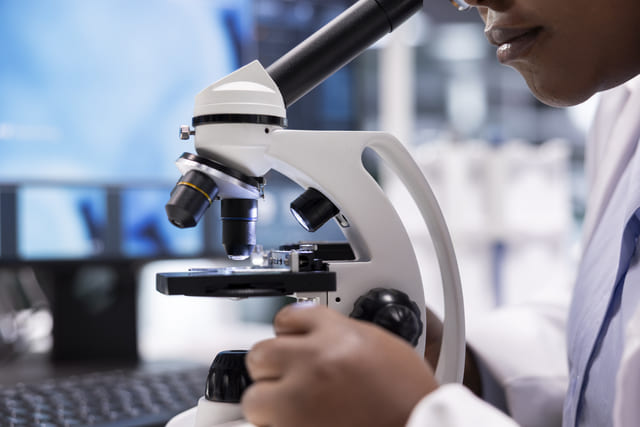
It is a training program that enables learners to fully understand the theory and practical operation of a Scanning Electron Microscope (SEM). It covers theory, real hands-on practice, and data analysis — integrated with a broader Metrology Measurement Courses curriculum that adds interpretation of SEM metrological results, enhances skills in using Desktop SEM and other metrology tools professionally, and offers training through Virtual Reality (VR) simulation or actual instruments.
The core components of the course include:
- Understanding how SEM works — from the electron system, image formation, to signal types generated
- Hands-on SEM operation practice in scanning samples
- Learning sample preparation, measurement condition setup, and system calibration
- Interpreting SEM images and applying the data in both research and industrial contexts
- Techniques for dimensional measurement or surface analysis using SEM
Who is the SEM Training Course Suitable For?
This course is suitable for beginners and intermediate learners who want to develop SEM skills:
- University students and lecturers: To prepare skills in nanotechnology and engineering before entering the real job market
- Engineers and QC/QA staff: In semiconductor, hard disk drive, and precision electronics manufacturing industries
- Researchers at leading research institutes: Who want to enhance advanced Material Characterization skills
- New organizational personnel: To reduce onboarding time and build confidence in safely operating expensive instruments

What Will You Gain from the Metrology Measurement Courses?
This course is not just about learning to use SEM — it is a curriculum that creates a competitive advantage in this professional field. Outcomes include:
- Deep understanding of Nanofabrication processes: Understanding the systematic connection between manufacturing and measurement
- Precise analytical skills: Ability to select the appropriate Measurement Techniques for each type of workpiece, such as SEM, AFM, or Stylus Profiler
- Enhanced work performance: Reduces risks from instrument misuse (Safety) and improves decision-making accuracy in Quality Control (QC) processes
- Internationally recognized skill certification: Enhances the learner's profile by demonstrating expertise in advanced tools demanded by global industries
- Cost efficiency: For organizations, sending personnel for training (especially via VR) can reduce costs from equipment damage and cut clean room training time by 70–95%
For course inquiries, contact us at: 725 S-Metro Building, 20th Floor, Sukhumvit Road, Khlong Toei Nuea, Watthana, Bangkok
Tel: 02-821-5278
Email: info@hknti.com